A Web3 game that is growing overseas will not necessarily grow the same way in Japan.
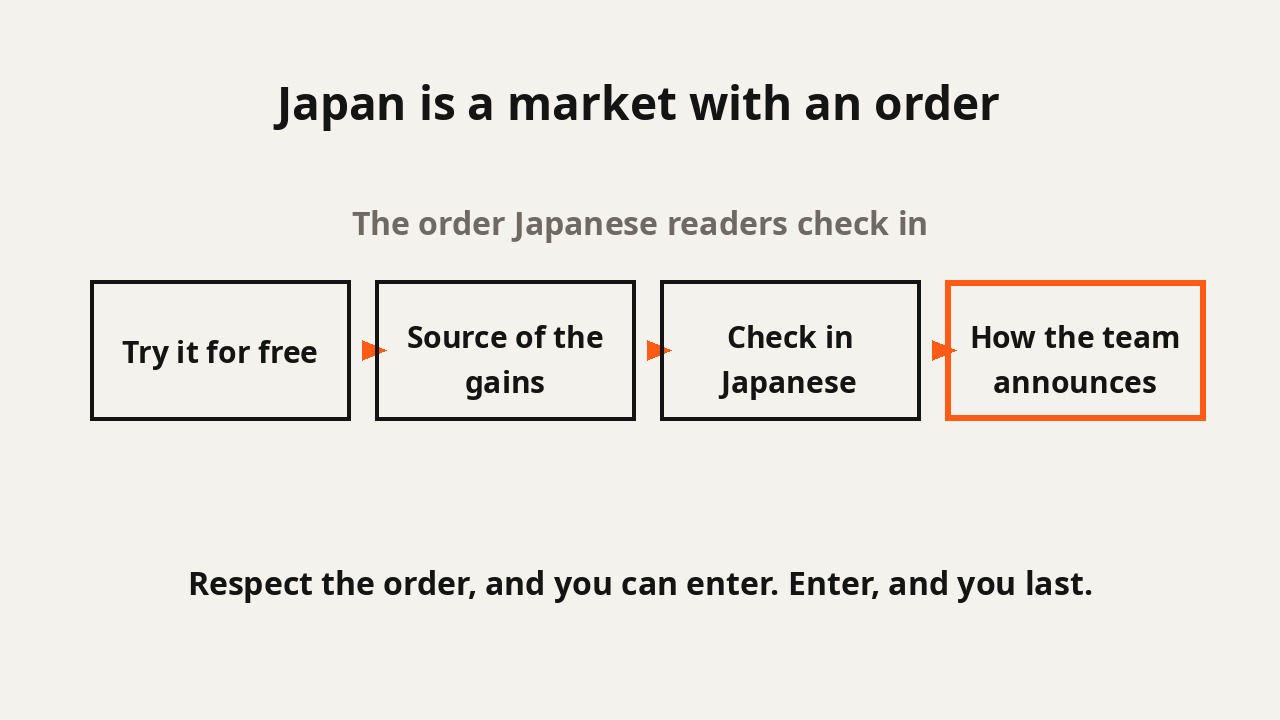
What Japanese players check first at the door is not how much they can earn. It is when they get back the money they put in.
I am Mapu. I founded and run ATG, a Japanese Web3 game guild of more than 300 members, I spent ten years at a Japanese megabank before this, and I have been involved with more than 100 Web3 projects. From that position — introducing large numbers of titles to Japanese readers — this article lays out what separates the games that spread in Japan from the ones that do not.
Outside research describes the Japanese market as "hard to enter." My conclusion is different. Japan is not a closed market. It is a market with a fixed order of checks.
And at the center of that order sits the speed of payback: how fast players can recover what they put in.
What Japanese Players Check First: When Do I Get My Money Back?
Japanese players look for the places they could lose before they look for gains. Stories of growth get checked slowly, and anything that shrinks gets an immediate reaction. That is how money moves in Japan.
This field gives that instinct extra force. Web3 games end — it is normal here. Even titles that took off have ended within a few years, again and again. From the player's side, participating is a kind of chicken race.
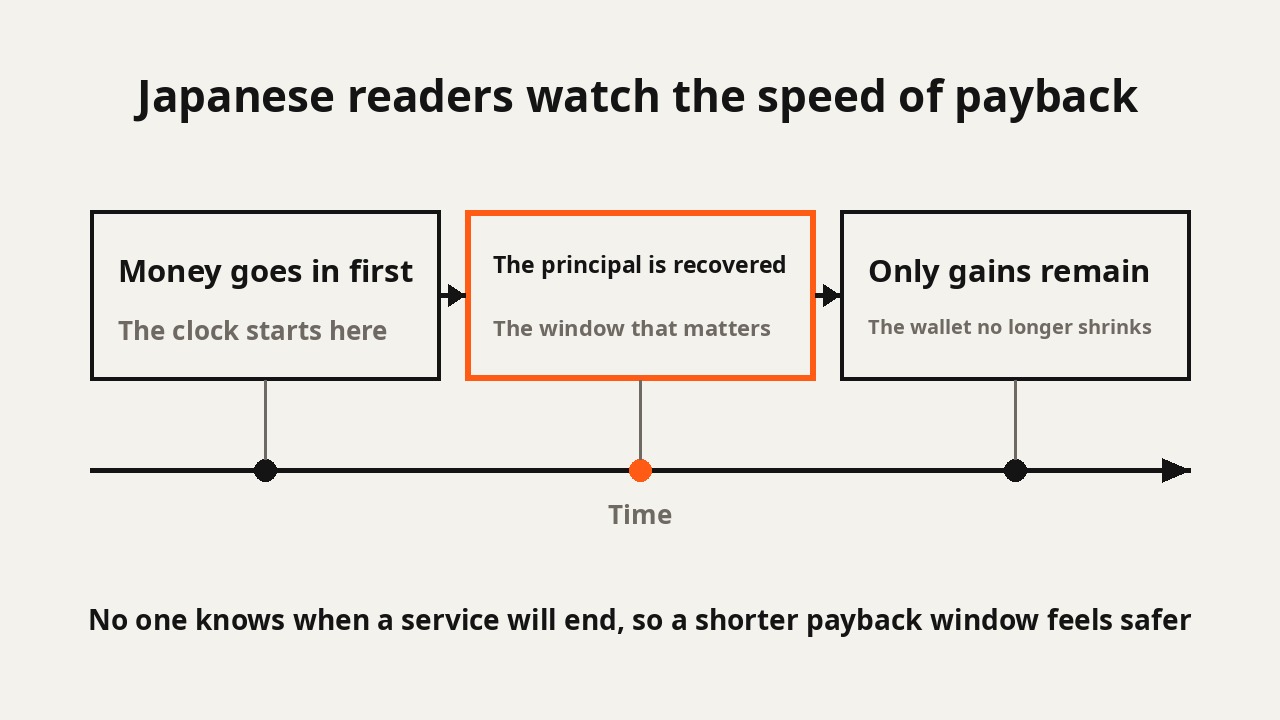
Nobody knows when a game will end, so planning to play for a long time makes the math impossible. That is why what Japanese players are really looking at sits one step past "will I lose?" It is how fast they can get back what they put in.
Recover the principal quickly, and your position changes. From then on, you can play without your own wallet shrinking, and whatever you gain is pure upside. That state — principal back, risk gone — is what Japanese players actually want.
*Illustration
If the payback period reads short, people will move even when the entry has a price. If payback cannot be projected at all, people stop — even when the price is small.
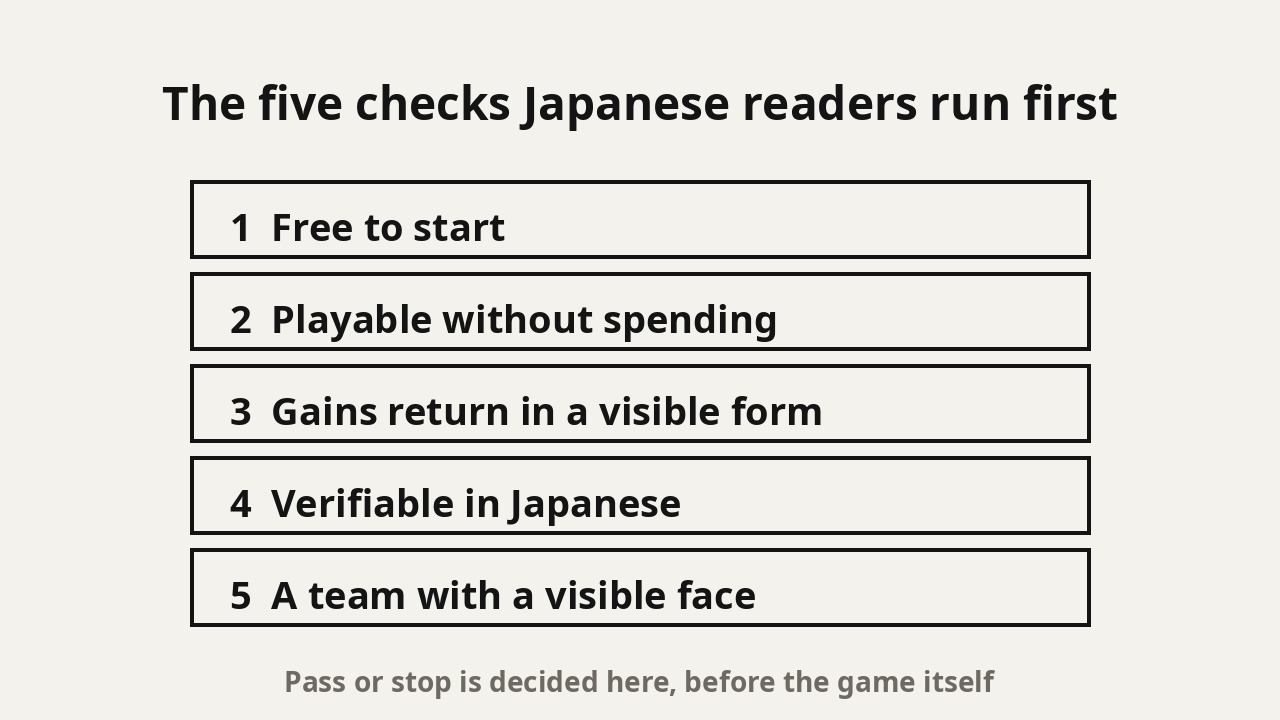
When I evaluate titles for Japan, I use five yardsticks.
*Illustration
It can be started for free. It can be tried without putting money in. The gain comes back in a visible form. It can be checked in Japanese. The operator's face is visible.
These five are not about the game's content. They come before the content gets judged at all.
Payback speed is not a sixth condition standing outside these five. It sits at the core of two of them: the eye that checks "will I lose?" and the eye that checks "does the gain come back?"
And the number of people playing a game overseas is no substitute for this order.
A Free Entry Removes the Payback Question Entirely
With a free way in, the payback worry never arises. There is no money in, so there is nothing to recover and no calculation to make.
The standard Japanese way of buying is to try first, then decide whether to pay. Think of the difference between a shop with free samples and a shop that charges admission. Few people pay up front for something they cannot yet judge.
Calamity Survivors has a free mode (SSF) that can be played without connecting a wallet.
Image: Calamity Survivors official site
I started there myself, trying three classes in the free mode. I decided the game was fun — and only then bought a season pass. Had buying the pass been required from the start, the number of people who ever touched the game would have been far smaller.
What is free, and where the charges begin, is also part of the entry's shape. When that boundary is unclear, readers stop, suspecting a bill will arrive later.
Gains Land When They Are About "When," Not "How Much"
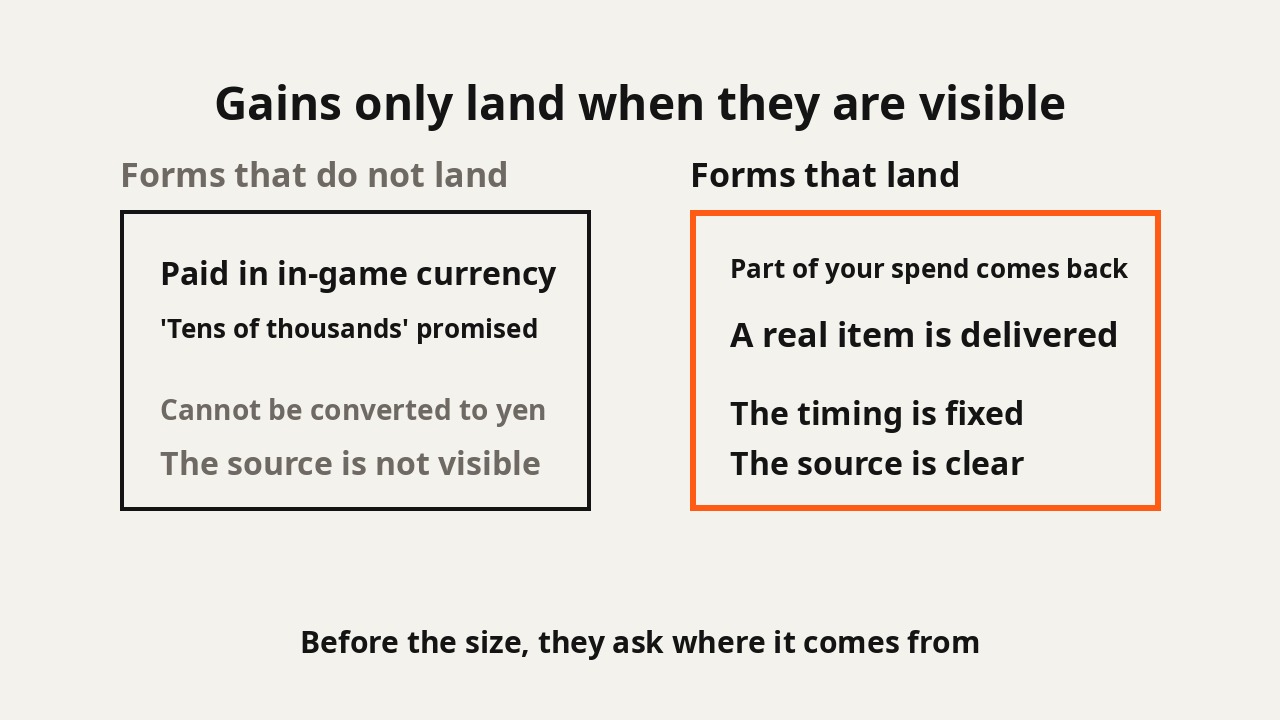
The gain that registers with Japanese players is not a big number inside a game. It is what comes back to their own wallet, in what form, and when.
Cashback that returns part of what you spent, or something physical arriving — a card, merchandise — registers.
*Illustration
Being told you will receive "tens of thousands" of an in-game currency does not count as a gain if it cannot be converted into yen. And however large a gain is, if its return timing cannot be read, it might as well not be visible. A small gain with a clear date registers; a large one without a date does not.
In talk of gains, one more thing is asked before size: where does the gain come from?
Kozo Yamada, co-representative of DEA — a company that has run Play-to-Earn in Japan for years — put it this way in an interview: "What moves people is not value that exists only inside the game, but the reality that actual money comes in."
DEA built "Pictore" together with Tokyo Electric Power Company: photograph utility poles, and a reward of a few dozen yen per pole comes in. According to the operator, among committed participants there are cases reaching points worth ¥200,000 to ¥300,000 a month.
DEA's CEO, Naoto Yoshida, describes the winning model as "a model that shares with users a cost that already existed for solving some problem." Pictore's rewards come out of money that already existed — the cost of inspecting power infrastructure.
A reward paid from a company's real expenses, and a reward paid on the assumption that a token's price will rise, look like different things to Japanese players.
Lotteries with unpublished odds, or trial funds that cannot be withdrawn, inflate the visible gain without the substance to match. A large share of the offers I turn down fail on exactly that gap between appearance and reality.
Money Terms You Cannot Read in Japanese Do Not Count as Checked
A game whose guidance exists only in English becomes a wall for Japanese players before they even start. The wall is not the conversation inside the game. It is the explanations that involve money: how to connect a wallet, the fees, the withdrawal terms.
Very few people will read payback terms with a dictionary in hand.
The research firm MIIX Capital, in its report on the Japanese market, names the language barrier as a reason entry is difficult — the psychological hurdle Japanese users feel toward English is narrowing the door.
Image: TinyLegends official site
TinyLegends has a free entry that can be played without a wallet. According to its official X account (@Tinylegends_io), 709 people took part in its first nine days (as of November 18, 2026). Even so, the guidance on its official site is English only.
A title can pass on the shape of its entry and still lose Japanese players at the next step, if there is nowhere to check the money terms in Japanese. Not everything needs to be translated. A getting-started guide, the terms that involve money, and a contact point that answers in Japanese are enough to keep far more people from stopping.
Payment and Tax Shapes That Break Japanese Habits Stop People Cold
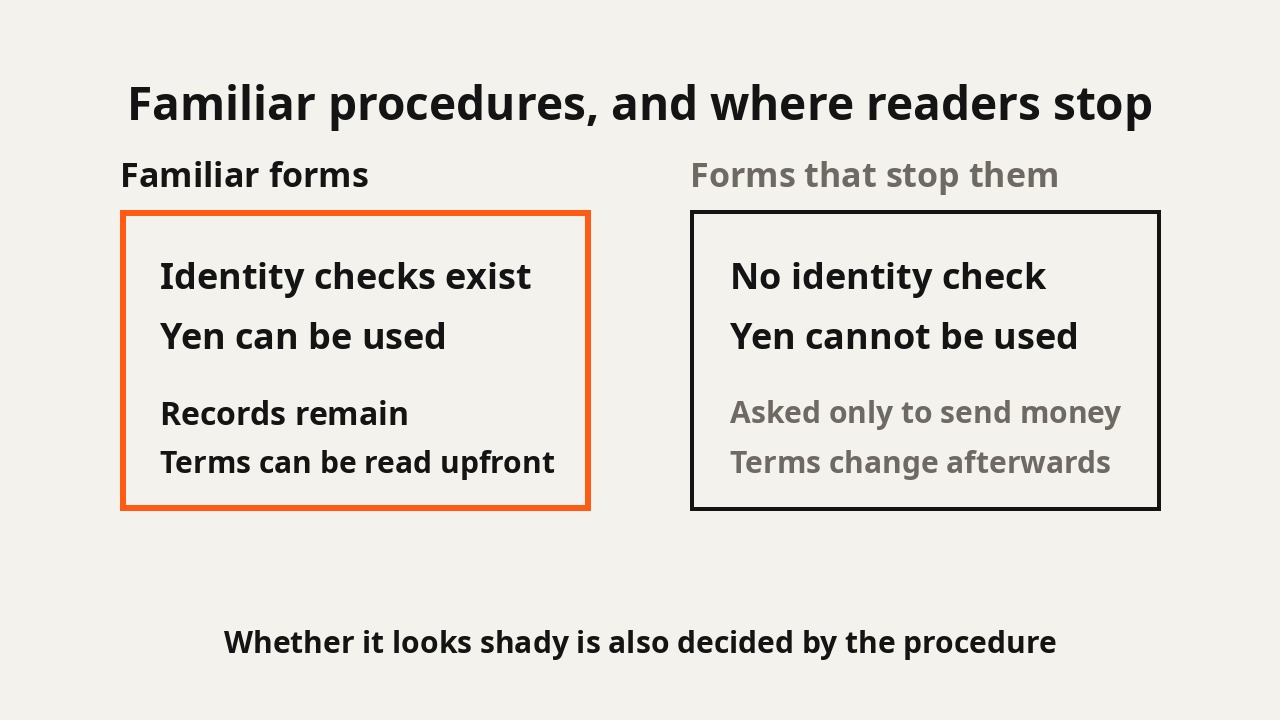
In Japan, the door to buying crypto assets is a registered exchange. Opening an account there assumes identity verification. Japanese players carry a sense that "a place with identity verification is a legitimate place."
The reverse shape exists, too: no identity verification, no yen, just a demand to send funds to an overseas wallet. That shape looks suspicious right at the door.
*Illustration
Then there is the tax waiting beyond withdrawal, which cannot be avoided in Japan. Monex Group's MCB FinTech catalog points out that when income earned inside a game is subject to income tax, the burden of calculating and filing it becomes a factor that drives users away.
If the procedures after the gain are invisible, players stop their hands before they ever gain. What an operator can do is not to shoulder the tax calculation. It is to show the withdrawal terms and how records should be kept, in Japanese, in advance.
A Visible Operator Lets Players Recalculate When Terms Change
Japanese players suspect, first, anything whose operator they cannot identify — because this field has fake sites impersonating official ones, and projects that disappear midway.
*Illustration
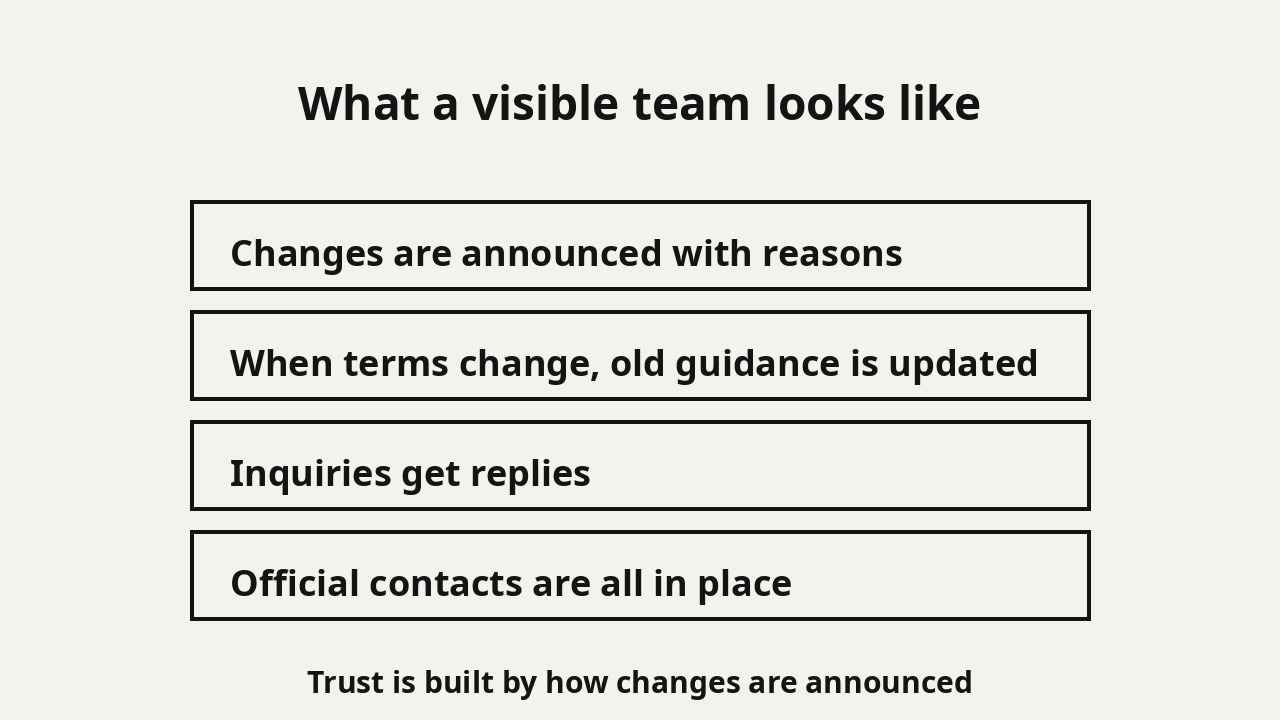
A visible face is not only a representative's name or appearance being public. It also includes announcing changes — the reason and the new terms together — openly and early.
Payback projections collapse when terms change. The faster an operator announces a change, the sooner players can redo their calculation and decide whether to stay. Conversely, when terms have changed but the old guidance is still up, it gets read as "what else might they be hiding?"
MIIX Capital's report also carries the view that Japanese users are tolerant toward projects that operate in good faith. In my view, this is not a contradiction; it is a matter of stages. The judgment at the door is strict — and once good faith has been confirmed, players stay longer than in other markets.
Trust is built not by how flashy the announcements are, but by how changes are communicated.
Starting Together: When There Are People to Start With, Someone Shoulders the Cost of Starting
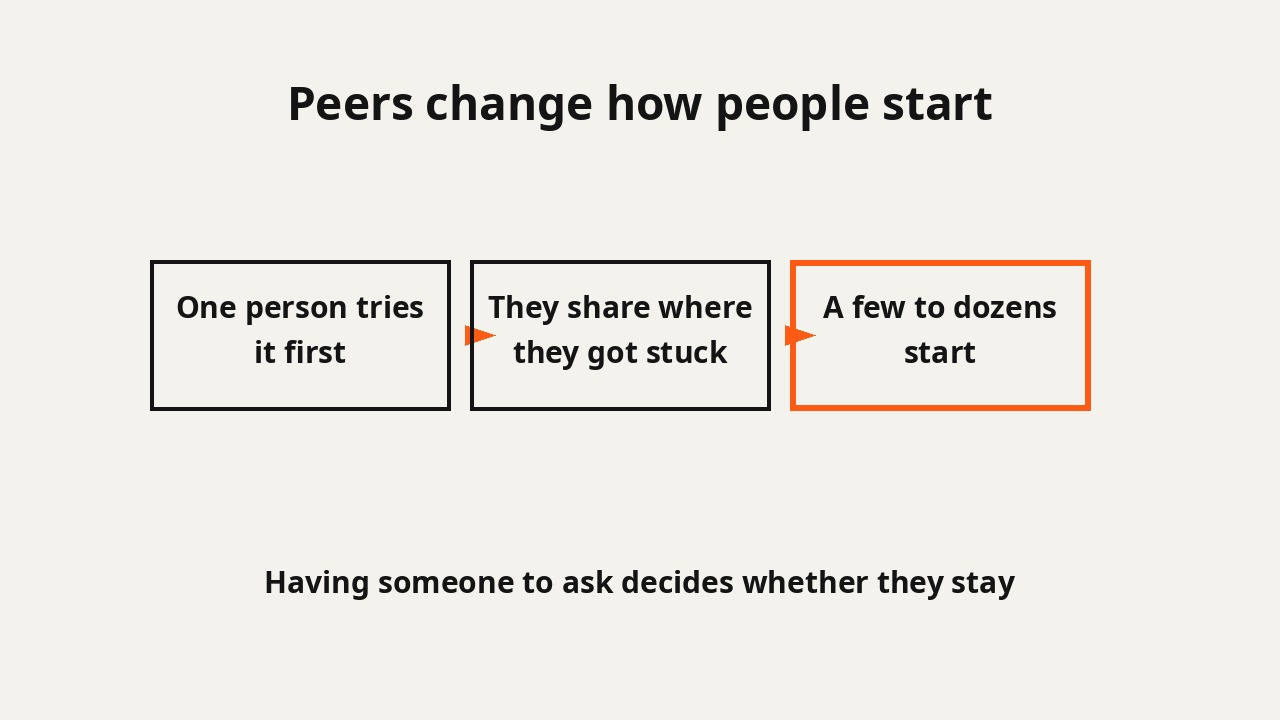
Web3 games are a field where starting alone, and continuing alone, is difficult. People stumble at making a wallet, so whether there is someone to ask changes whether they can keep going.
*Illustration
Japan has a mechanism by which guilds lower the entry wall. Among Japanese guild organizations, there are ones that run scholarships — lending funds or gear so players can play without preparing the initial investment themselves — and ones that provide information.
A scholarship is also a mechanism in which the side holding the assets shoulders the payback risk of the money put in at the start.
ATG is a Japanese Web3 game guild of more than 300 people. When a new game comes up inside the guild, the people who start are not individuals; they arrive in units of several to several dozen. That is because someone tries it first and shares where they stumbled and how they got past it.
MIIX Capital's report also notes that Japanese users see Discord and Telegram as high-risk places and find them hard to trust. In my practical sense of it, the Japanese player's entry point is X, and the deeper conversation happens inside guilds — a two-layer structure.
From the operator's side, whether you are connected to the Japanese community matters earlier than the volume of advertising.
Japan's Long-Lived Titles Never Rushed Players to Recover
From here, I check the argument against actual titles. First, titles run in Japan that lasted a long time.
The first is My Crypto Heroes, a title from Japan's double jump.tokyo — a pioneer of the Japanese blockchain game scene — that launched on November 30, 2018.
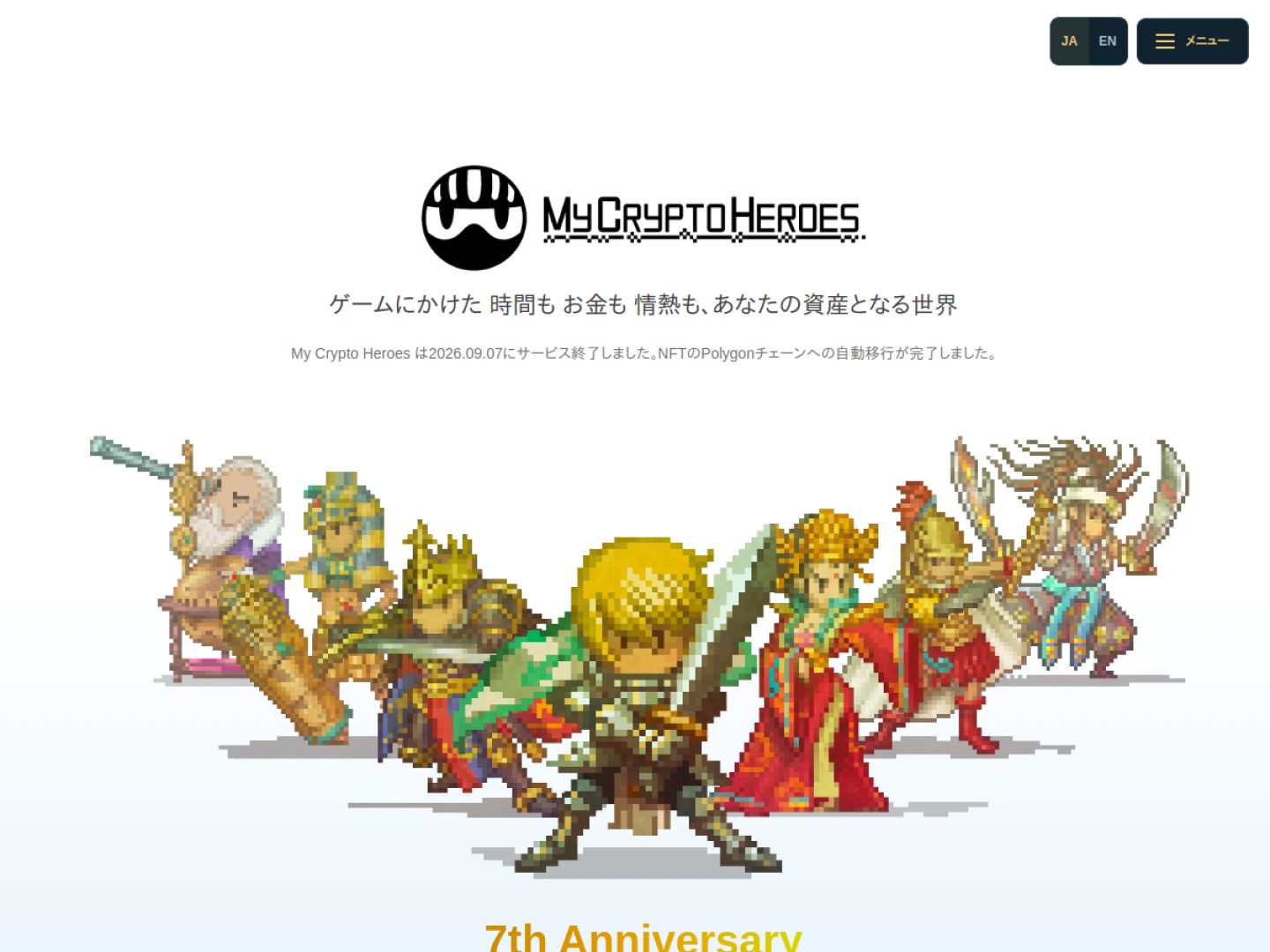
Image: My Crypto Heroes official site
By the operator's announcement, on the day it launched it ranked world No. 1 among Ethereum blockchain games in both trading volume and user numbers. At the end of 2018, it also ran this field's first television commercial. It was a shape in which a Japanese company delivered in Japanese, all the way onto Japanese television.
My Crypto Heroes ended its service on September 7, 2026. Even so, that works out to nearly eight years of operation.
The second is Gensokishi Online (Elemental Knights Online). Its origin is an RPG released for Japanese mobile phones in 2008; its current form began on November 30, 2022.
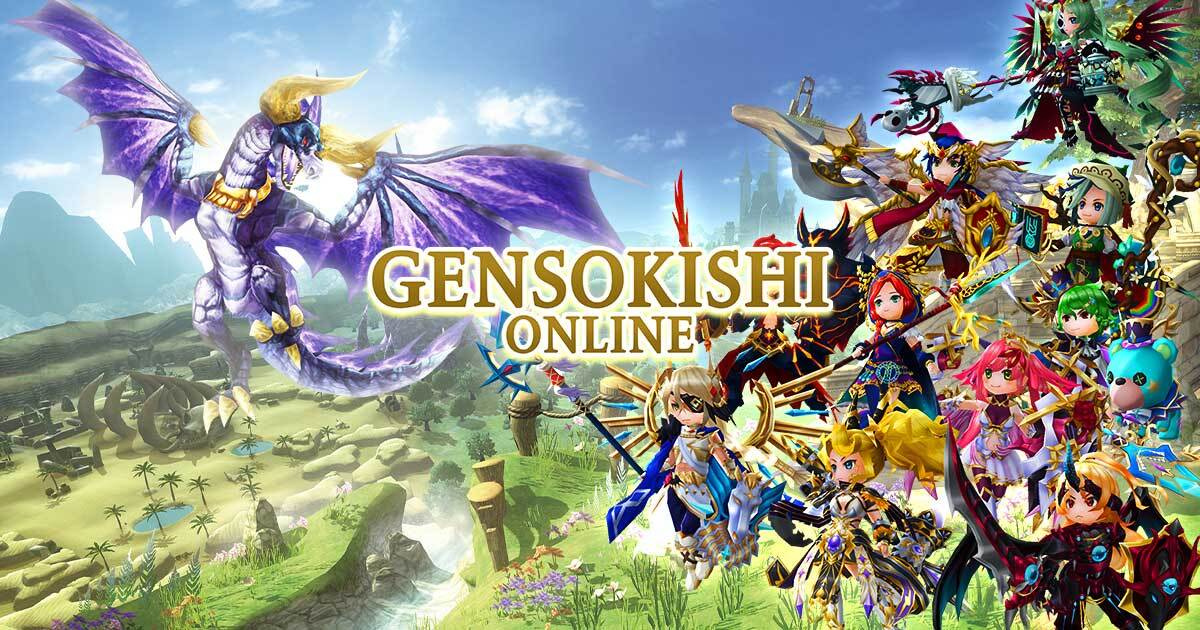
Image: Gensokishi Online official site
The official FAQ states that you can start playing with just a game account, without connecting a wallet. The official site has a Japanese version, and there is a Japanese-language official X account (@genso_meta_jp) as well.
In April 2026, the old operator's finances stopped working, and the game halted once. What took it over was Hanabitei Inc., a Japanese company formed by people who had been its players. The marketplace reopened first, on November 6, 2026. The official X account has announced that the game's relaunch is targeted for December 1, 2026.
I rarely hear of another case where the playing side went as far as founding a company to keep a game going. The "unit that starts together" from the guild chapter had, in this case, grown into a "unit that takes over the operation."
The third is the card game Crypto Spells, from Japan's CryptoGames, launched in June 2019.
Image: Crypto Spells official site
Its selling point by design was that you could start playing as-is, holding neither a wallet nor Ethereum. In the terms of this article's yardsticks, it had embodied "try it without putting money in" back in 2019.
Sales on the day it launched were 600 ETH, and its advance sale collected 900 ETH — a Japanese record at the time. In June 2020, a commercial ran on national television.
Even so, Crypto Spells stopped its service on December 15, 2025 — six and a half years, counting from 2019.
In my view, this is where a divide appears. The shape of its entry passed the yardsticks. But where its gain came from leaned on card trading and token price. When the price side stays cold for a long stretch, the shape that keeps an operation running stops working. The shape that reaches players and the shape that lasts are separate conditions.
The fourth is THE LAND: Elf's Forest (Elf no Mori, "the Elf's Forest"), a farming game from Japan's HashPalette that launched on February 26, 2024 and is free to play at its base.
Image: THE LAND: Elf's Forest official site
The operator, HashPalette, had previously run an IEO on bitFlyer, one of Japan's domestic exchanges. By the official announcement, pre-registrations had exceeded 150,000. It is an example that leaned toward the institutional side, launching in the shape of procedures Japanese players are used to.
The fifth is EGGRYPTO, a monster-raising smartphone game made jointly by GameWith — one of Japan's largest game-media companies — and Kyuzan, launched in April 2020.
Image: EGGRYPTO official site
On the playing side, you never have to think about a wallet. Inside the phone, it starts with the same steps as an ordinary smartphone game, and you simply keep playing. It is a shape that wrapped the Web3 parts out of the foreground, inside the manners of Japanese mobile games.
Its downloads passed 2 million (as of 2026). In April 2026 it marked its sixth anniversary, and it is still operating today.
Why has it remained? In my view: EGGRYPTO never leaned into a shape that competes on the size of the gain. Nor was it designed to rush its participants to recover. When price waves came, the reasons to quit stayed few — that, I believe, is why.
XENO: The Part That Reached Players Stayed; the Payback Part Ended
PROJECT XENO is a title from Japan's CROOZ Blockchain Lab.
Image: PROJECT XENO official site
It launched on May 10, 2023, and is free to play at its base. Its entry was the app stores — the same shape as an ordinary smartphone game. The face of its promotion was Hikaru, one of Japan's most popular YouTubers, and there were collaborations with the fighter Mikuru Asakura and others. Its Japanese official X account (@PROJECTXENO_JP) has more than 50,000 followers as of November 2026. Japanese specialist media describe it as one of the most recognized blockchain games in the country.
And yet, in its update of July 15, 2026, XENO ended its Web3 features. The targets were NFT minting, prize events, and the linkage with the GXE token. Part of the marketplace's functions ended in the same update.
The game itself continues today. What ended was not the game — only the layer for "earning."
BlockChainGame Info, a Japanese specialist outlet, listed in its analysis of this case the common threads of titles that did not last: entry NFT purchase costs are high, making payback the premise; earning efficiency, rather than the game itself, sits at the center of the motivation; and the title never reaches ordinary game readers, staying inside Web3's inner economic circle.
The same analysis makes a point about order: "Not 'play because you can earn,' but 'play because it is fun, and it happens to become an asset.'"
In my view, XENO's outcome followed these yardsticks exactly. The parts that were free at the entry, in Japanese, with a visible face reached Japanese players — and stayed. The part whose gain came from the token's price, with payback as its premise, stopped working together with the price.
What separated the part that stayed from the part that ended was not whether it was domestic. It was which parts had passed the order of checks.
Overseas Titles Split First on Whether Japan Is Even Included
For overseas projects, look first at MapleStory N. MapleStory is an MMORPG from South Korea's Nexon; in Japan, Nexon's official service has run since 2003.
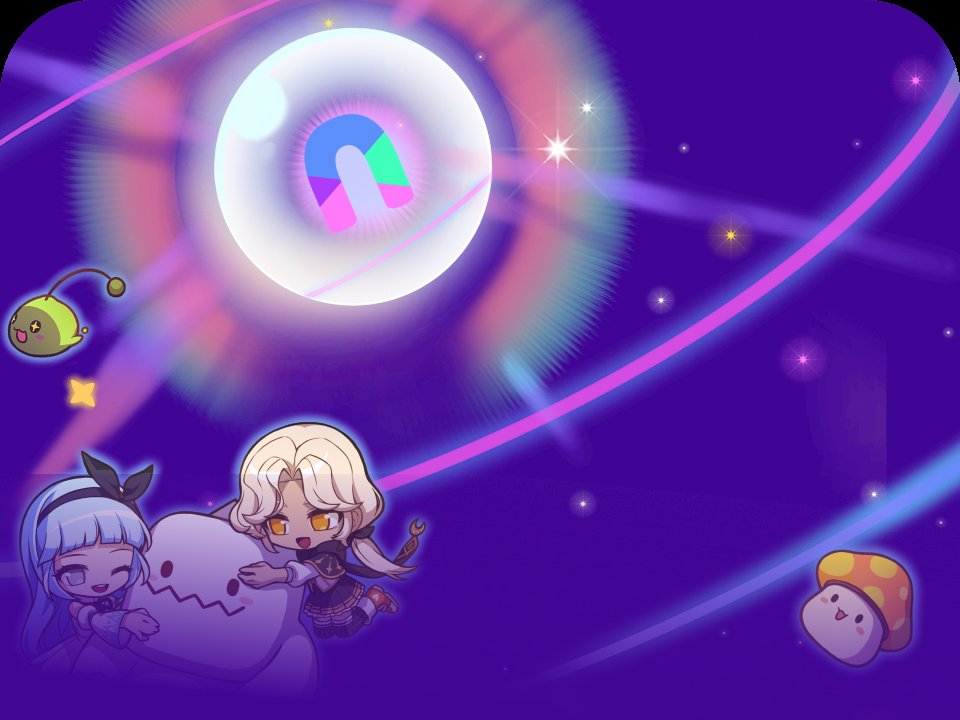
Image: MapleStory Universe official site
Its blockchain version is MapleStory N, released on May 15, 2025 by Nexpace, Nexon's Web3 arm. The official site (MapleStory Universe) supports nine languages, including Japanese. It costs nothing to start, and a wallet is created automatically when you log in.
For Japanese players, it was a title whose name and gameplay they already knew. There was no need to explain "what is this?" from scratch at the door. The shape's conditions were in place up to that point.
But on one point — eligibility — it fell outside from the start. In the official terms of use, Japan was included among the "restricted regions." It could not be played from Japan as-is; the only way in was a VPN, a tool that changes which country your connection appears to come from — a grey entrance.
Even so, the Japanese players who actually played it were not few. I was one of them. Precisely because it was a known title whose main game they knew was fun, people crossed the troublesome door.
The turning point came in May 2026. With the update marking one year since launch, it was reported that connections from Japan had been opened. Today, it can be played through the official launcher without a VPN.
And yet, a gap remains even now. In the revised terms of use that took effect on May 7, 2026, Japan is still on the list of restricted regions. "Being able to play" and "being officially eligible" still do not match.
In my view, this is neither a success story nor a failure story. It is a case where the strength of demand crossed the wall of a grey entrance. At the same time, a shape in which the terms and the reality diverge remains a risk — for Japanese players, and for those of us who introduce titles.
Sorare Entered Through a Domestic League License
Sorare, from France, is a fantasy football game: collect official cards of real footballers, and compete based on their performances in real matches.

Image: Sorare official site
Sorare's door into Japan was a domestic league. In August 2020, Sorare partnered with the J.League — Japan's professional football league — and issued digital cards of every player. Around the same time, Japan's Metaps Alpha took on the promotion of the Japanese market, and on its platform a form was prepared in which cards could be traded in yen. Sorare's cards were also handled on Coincheck NFT, the marketplace of the domestic exchange Coincheck.
A domestic league and domestic storefronts were in place first. Sorare's operation continues as of November 2026, and in October 2025 it was announced that its base would move to Solana.
Ni no Kuni: A Japanese IP Whose Blockchain Version Excluded Japan
"Ni no Kuni: Cross Worlds," made by South Korea's Netmarble, is originally an IP of Japan's Level-5.
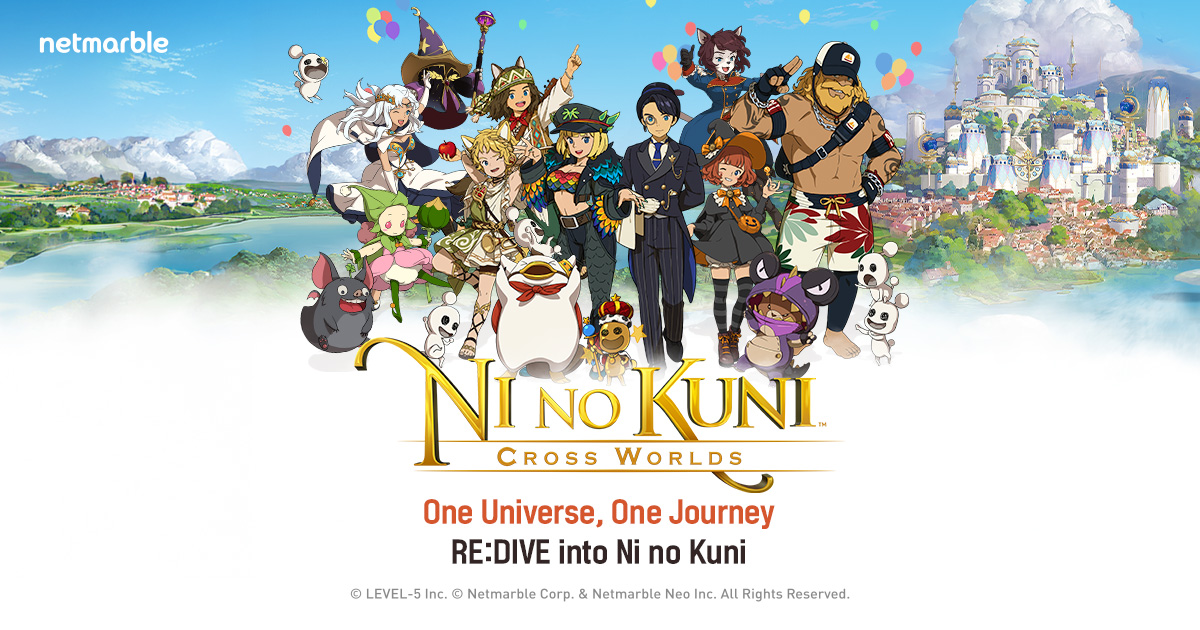
Image: Ni no Kuni: Cross Worlds official site
In Japan, the regular version — without blockchain — launched in June 2021. The blockchain version (the MARBLEX version) came out in May 2022. And Japan was excluded from that blockchain version's eligible regions.
A Japanese IP, made by a major studio, with its regular version being played in Japan — and still, the blockchain version did not make Japan eligible.
The blockchain version later ended on September 17, 2026. The operator, Netmarble, kept the game itself, in a form with the MARBLEX machinery removed.
If MapleStory N is the case of "playable, but not officially eligible," Ni no Kuni is the case of "decided not to include Japan — and in the end, removed only the Web3 part."
Axie Infinity: The Guild Shouldered the Entry Cost
There are also overseas titles that were played head-on in Japan. Axie Infinity, from Vietnam's Sky Mavis, required players to assemble three character NFTs in order to play. Its entry was paid — and not cheap.
It was played in Japan anyway, because guilds stood in between. Through "scholarships," those who held NFTs lent them to those who did not, and the gains were split. YGG, one of the world's largest guilds, placed YGG Japan in this country and spread this mechanism together with the Japanese company ForN.
The guild — the "unit that starts together" — was shouldering both the starting cost and its payback risk.
Its token, AXS, is handled by five domestic crypto asset exchanges (as of September 2026). It was a title with a foothold in the Japanese market.
But the price of SLP, which had been the center of its earnings, fell sharply. In January 2026, the official team announced it would end the distribution of SLP in battle mode. What remains is the game part; the earning part has shrunk here, too.
Korean MMORPGs Brought Their Whole Grammar Into Japanese Shape
Another shape is the line of MMORPGs that South Korea's Wemade has continued. MIR4, in 2021, prepared a Japanese subsidiary and began distribution for the Japanese market with a Japanese official site and official X account.
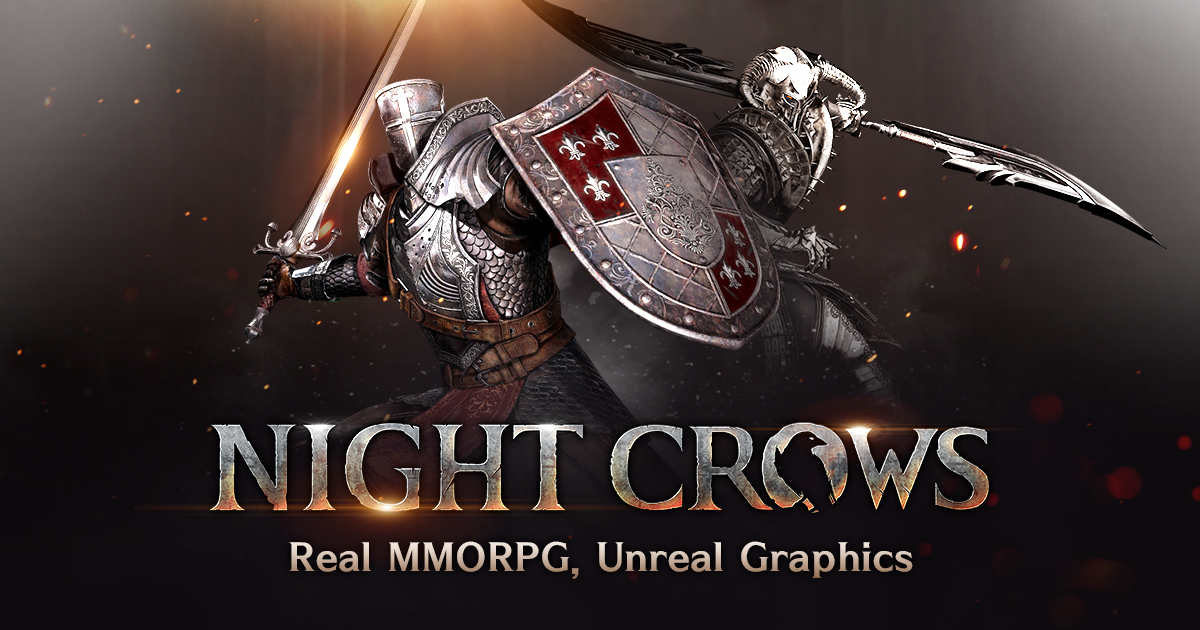
Image: Night Crows official site
Night Crows, in March 2024, included Japan in the eligible regions of its global version and supported nine languages, Japanese among them. With Legend of YMIR in October 2025, even a Japan-only "TOKYO server" was prepared.
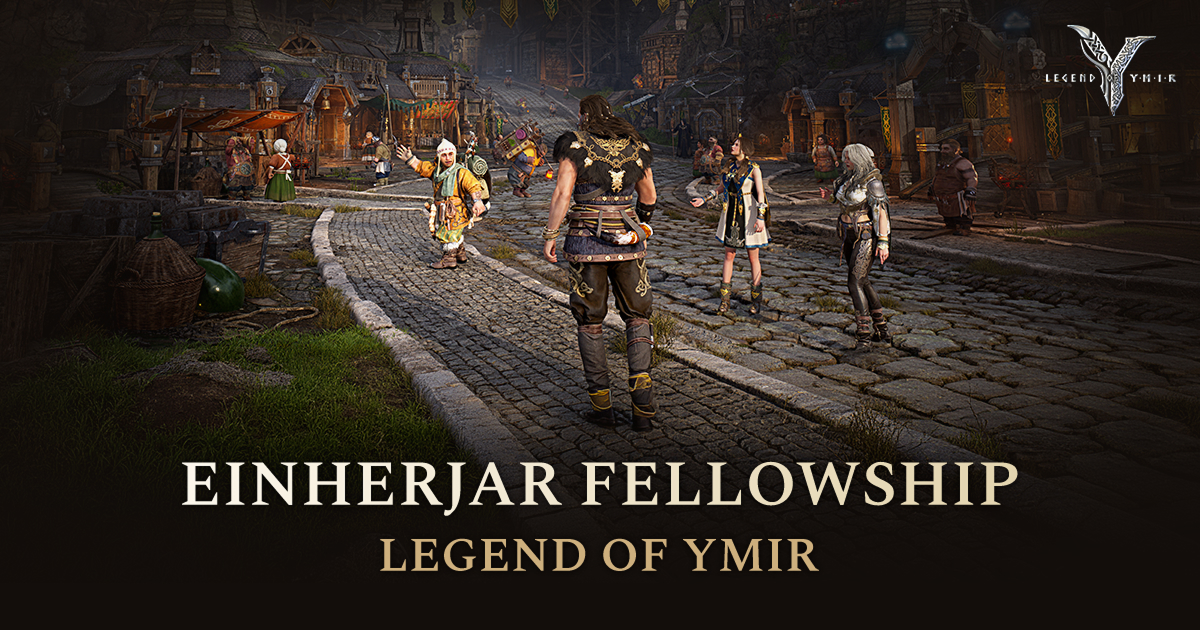
Image: Legend of YMIR official site
The genre is nothing new. Raise characters, gather, fight as a guild — the grammar of the Korean MMORPG itself. Bringing that grammar wholesale, Japanese language and Japanese host included, passed continuously from 2021 to 2025.
In my view, Japanese players move not toward new genres, but toward familiar grammar arriving in Japanese shape.
Apeiron Came All the Way to a Japanese Show Floor
Apeiron, on the Ronin chain, is a title that combines card battles with roguelite play.
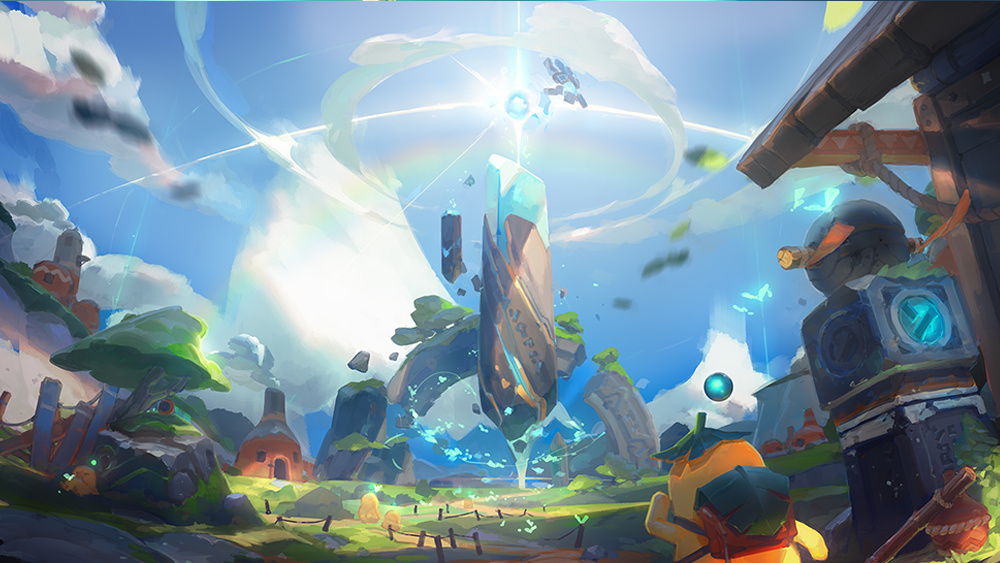
Image: Apeiron official site
It can be played for free on the Epic Games Store. At Tokyo Game Show in September 2024, it exhibited its own booth, and its official X account posted announcements in Japanese. In the pre-registration for its mobile version, Japan was among the eligible regions.
It is still operating as of November 2026 — a case of an overseas title that actually moved toward Japan, both at the venue and in its communication.
A Domestic Storefront Moves the Verdict Before the Game Is Playable
The entry's shape has one more layer, outside the game itself: who sells it, and where it can be bought — the shape of the storefront.
The Sandbox is a platform where you create and play with land and items inside a virtual world.
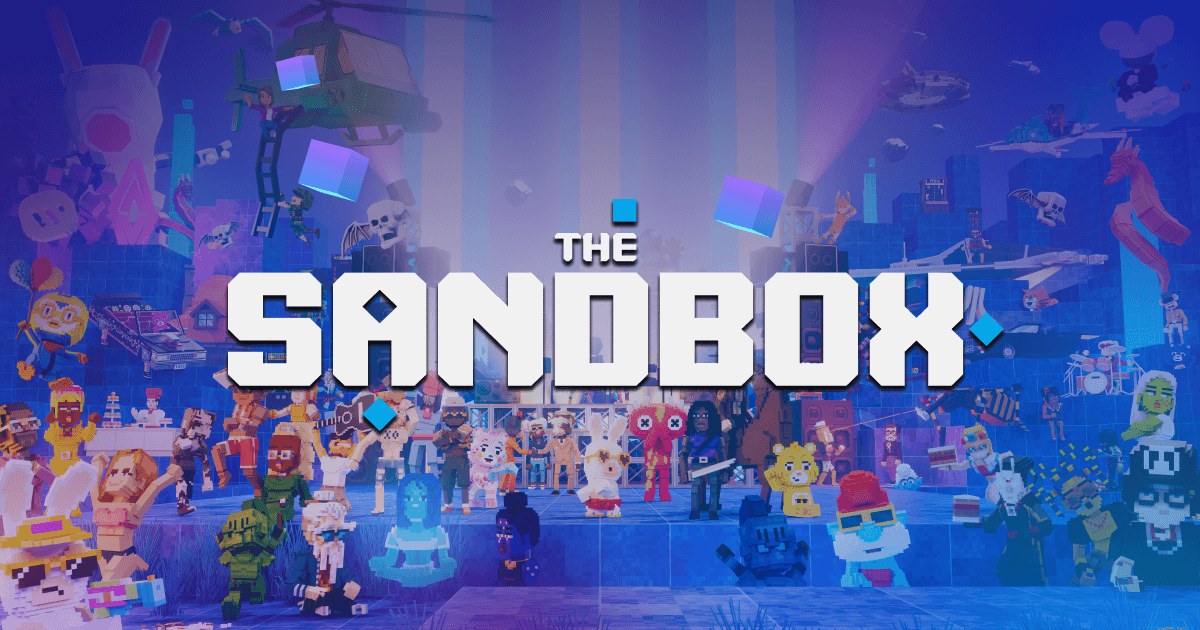
Image: The Sandbox official site
In 2021, the game itself was not yet at a stage where it could really be played. Even so, in Japan, its virtual land — "LAND" — sold. The seller was Coincheck, a domestic crypto asset exchange. The partnership was announced in September 2020, and Coincheck acquired LAND in February 2021.
In April 2021, the 33 LAND sold on Coincheck NFT, worth about ¥5.3 million in total, sold out in two hours. Sales continued after that, reaching a cumulative scale of 680 units.
The COO of The Sandbox's operating company said: "The Japanese market is one of the most important markets for The Sandbox."
Even with the content unfinished, when a domestic exchange becomes the storefront, Japanese players pass the entry judgment. Being able to buy in Japanese, at a domestic storefront with identity verification, settles the suspicion check in advance.
In my view, there are moments in Japan where the shape of the storefront lands before the content does.
Cross The Ages: An Entry Whose Host Disappeared
Cross The Ages, a card game from France, was free to play at its base and supported Japanese.
Image: Cross The Ages official site
At Tokyo Game Show in September 2024, it set up its own booth, exhibited in a form visitors could actually try. Around the same time, DMM Crypto of the DMM group announced it would offer this title in 2025 through its own Web3 project, "Seamoon Protocol."
But less than two months later, DMM Crypto announced the cancellation of Seamoon Protocol itself. Cross The Ages' Japanese offering ended without ever being realized.
An entry depends not only on the game's shape, but on whether the storefront side itself continues.
When Payback Looked Fast, Even Pricey Entries Moved
Let me also write the opposite view. Around 2022, there was a period when, even for titles that required NFTs costing tens of thousands of yen to start, Japanese participants surged.
The name most often raised as the representative is the overseas STEPN. Strictly, though, STEPN is not a game. Its design is closer to a health app: walk, and you receive tokens. The industry discusses it in the frame of Move-to-Earn or GameFi, but the reason it spread was not that it was fun as a game. It was that a gain attached itself to the everyday act of walking.
Starting required an NFT sneaker. Even so, DEA's Kozo Yamada wrote at the time that Japanese users were numerous — and that Japan was the only country where the users on the official Discord exceeded 10,000.
*Illustration
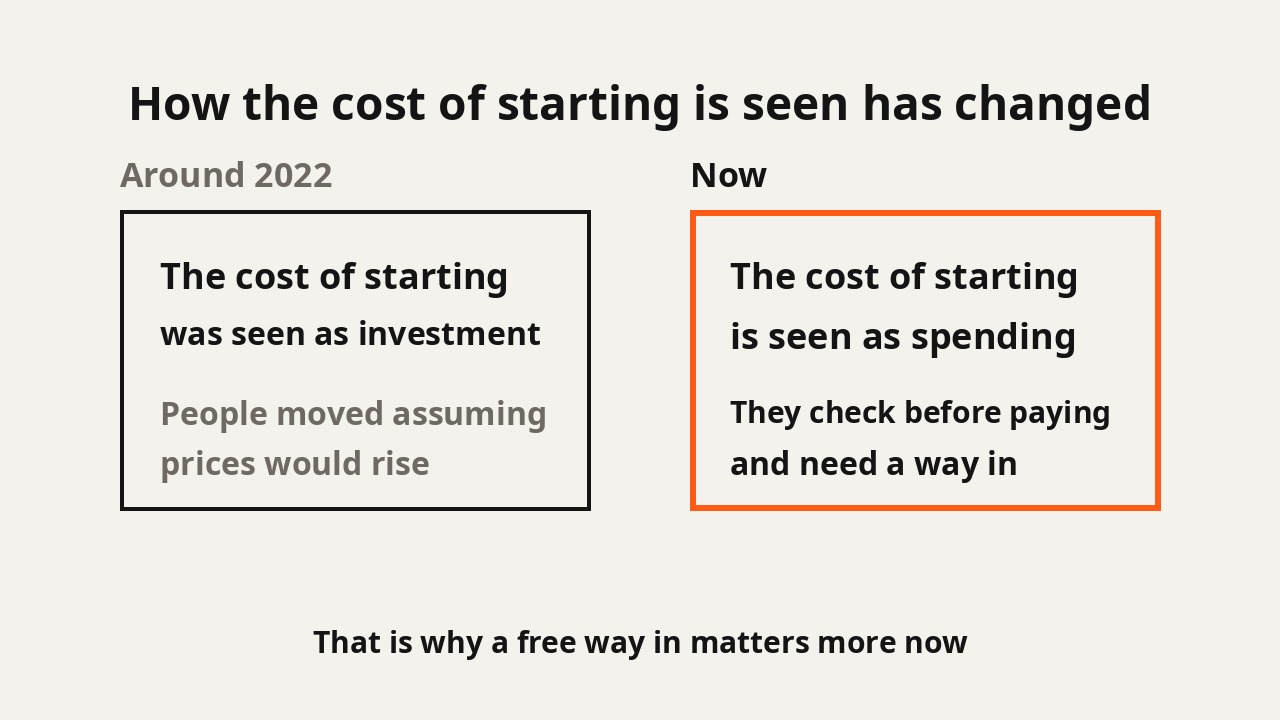
In that period, the crypto asset market as a whole was rising, and people moved on the assumption that the NFTs they had bought would rise in price as well. The entry price was being received not as "consumption" but as "investment." Because a rising price was assumed, the payback period on the money put in also looked short. When payback could be projected as quick, people moved — even at a high-priced entry.
Afterward, Japanese players also lived through a period in which prices fell sharply. STEPN's users, too, were reported to have dropped significantly along with the fall of its token's price.
Today's Japanese players see an entry price as consumption, not investment. Seeing it as consumption, they need a way to check whether it is fun before they pay. That is why the presence or absence of a free entry weighs more than it used to.
STEPN's spread should be read not by the yardsticks of games, but by the closeness of daily life and gain.
The air of that period made one more shape viable: a shape that makes a high-priced NFT sale itself the entry, ahead of the game. A sale becoming news, and selling out itself calling forth the next news — that cycle existed. As with Matr1x FIRE, examined later, it was a period in which NFTs sold even for titles with no full-scale rollout aimed at Japan.
But that cycle stood on the assumption of rising prices. If that assumption breaks, the payback period becomes something nobody can read. After the market cooled, the same shape has not held up.
In my view, the shape that starts its entry from an NFT sale is a shape that no longer stands. What can be placed at today's entry is not selling. It is letting people touch the game for free.
The Bigger the Build, the Less the Operator's Own Payback Works
Now for a different, structural story. The payback story is not only the players'. Operators, too, face the problem of recovering the money spent on development.
There was a title called Gran Saga: Unlimited, a PC MMORPG being made by METAPIXEL, the Web3 arm of South Korea's major studio NPIXEL.
Image: METAPIXEL official site
The original "Gran Saga" had also been serviced in Japan. Its second test, in July 2023, drew more than 8,000 participants from around the world. Its official X account still has about 43,000 followers today. Major Japanese game media covered it from the test recruitment through the results.
Yet in October 2023, METAPIXEL announced an indefinite suspension of the entire project. The official service ended before it ever began. The official reason was given only as "various circumstances," with no detailed explanation.
I see a structure here. A large MMORPG costs a great deal to build. In an ordinary game, that cost is recovered through the spending of a large player base. But the population that plays Web3 games has not yet reached the size at which that recovery works. To recover, players from Web2 games would have to flow in — and that inflow not happening is, in my reading, what shows up in the way large titles stall.
Japan has an example that stalled the same way. TOKYO BEAST is a Japan-born battle game set in a near-future Tokyo.
Image: TOKYO BEAST official site
It spent four years in conception, and its total development cost was reported to exceed ¥3 billion. It launched on June 9, 2025, and ended its service on August 24, 2025. It lasted 76 days.
The reason the operator gave was that maintaining the balance between operating costs and revenue had become difficult. Compensation in USDC was also provided for the assets concerned.
Japanese-born, in Japanese, set in Japan, with a major studio spending a large budget — and the population wall was the same.
Japan also has a case where the main game never arrived. SKY FRONTIER is a title developed by Japan's BIGBANG.
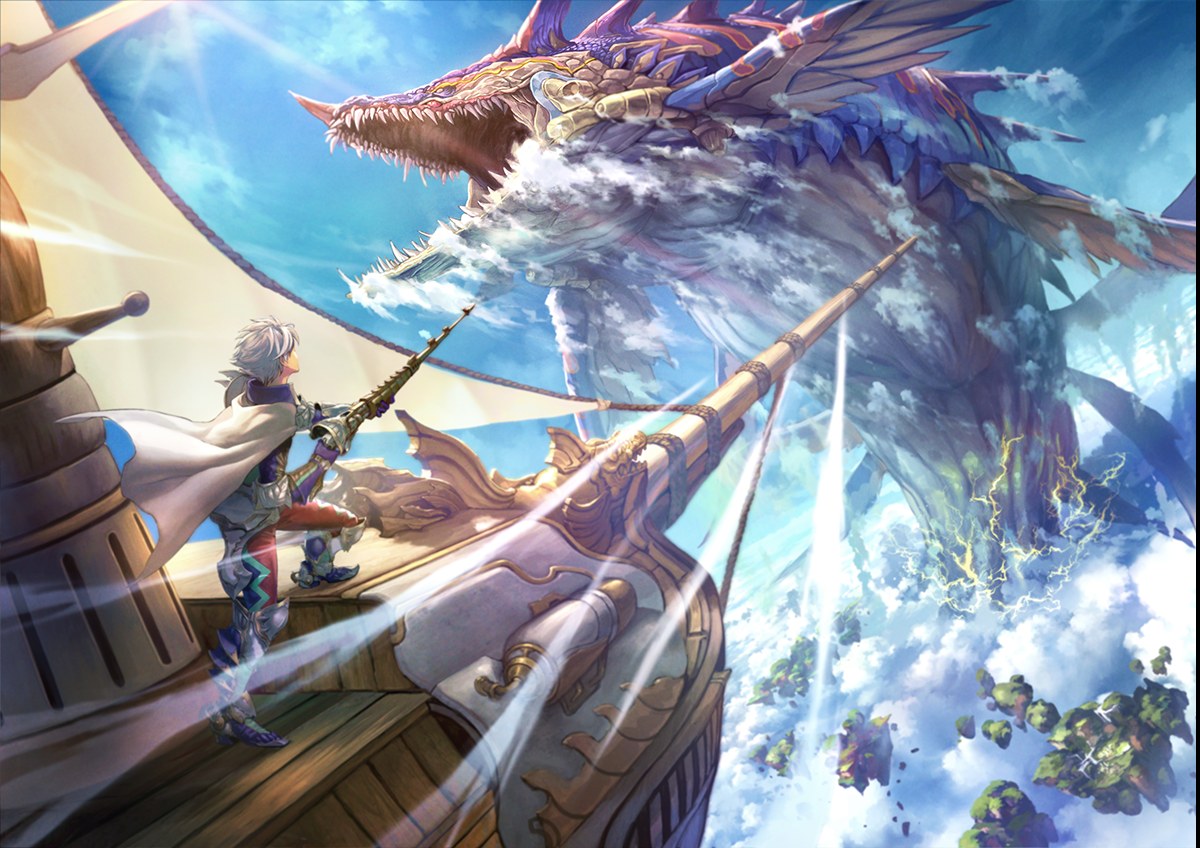
Image: SKY FRONTIER official site
In February 2022, a presale of in-game NFTs was held. A tie-up with au (KDDI) and a joint NFT development partnership with Hakuhodo Media Partners were also announced — a combination with major Japanese companies, and the NFTs sold first.
But the game itself has still not reached an official release as of November 2026. A notice remains on the official site saying that planning and development are proceeding so that the NFTs people hold can be put to use within the new game's design. There has been no announcement that development was cancelled.
Even so, from the buyer's side, the substance of the "gain" has been left floating for more than four years. When the order of selling is reversed, the expectations gathered at the entry lose the place where they were supposed to land.
The same ceiling shows in much-discussed shooters. XOCIETY is a shooter from South Korea's NDUS Interactive.
Image: XOCIETY official site
Backed by investors including PUBG's KRAFTON, its official X followers exceeded 260,000. It has a Japanese official X account as well. Even so, the wallets that took part in its tests numbered about 36,000, by the official announcement. The Japanese official X account has about 4,200 followers.
Off the Grid is a large battle royale that also came out on consoles. In the operator's documents, its wallet count is stated to have exceeded 14 million. But the users who actually migrated to mainnet and became able to trade assets numbered about 21,000 as of June 2025.
SHRAPNEL followed the same current. It is a large extraction FPS made by America's Neon Machine, and its official X account (@playSHRAPNEL) has about 389,000 followers (as of November 2026).
Its early access, begun in February 2024, was on the Epic Games Store, in a form that only buyers of a paid pack could enter. The chain was Avalanche, in a design that put item ownership and tokens up front.
In July 2025, moving its economic base from Avalanche to GalaChain was officially announced. And in March 2026, early access began on Steam. Its current shape is a 4-on-4 objective FPS, and its price is free. The official Steam page states that it can be played for free both during early access and in the full release. The Steam version's description makes no mention of blockchain elements.
A much-discussed Web3 FPS that could not continue in its original shape — and instead went to take the entry of Web2 distribution and a free form.
Matr1x FIRE: The NFTs Sold in Japan Before Any Japan Launch
There is one more example, of a different shape: Matr1x FIRE, a mobile FPS from Singapore. This title never carried out a full-scale rollout aimed at the Japanese market.

Image: MATR1X KUKU official collection (OpenSea)
Even so, ahead of the game, NFT trading reached Japan. In February 2023, the avatar NFT "Matr1x 2061" was sold by whitelist. The price was 0.1 ETH, and the total supply was 2,061 pieces. Trading volume on the launch day was about 400 ETH, and the average trading price exceeded 1 ETH (per BlockBeats' tally).
In December 2023, the platform NFT "MATR1X KUKU" was sold. Its price was 0.398 ETH — at the rates of the time, roughly ¥130,000 per piece. The supply was 6,666 pieces, minted up to the cap. The official sale's revenue was reported as 1,857 ETH (per Eureka Research's analysis). Eight days after launch, on December 20, 2023, the floor price in secondary trading had risen to 3.56 ETH (per CoinGecko's records).
In Japan, a Japanese-language official X account (@matr1xJP) had been posting in Japanese since September 2022. Its followers number about 17,000 as of November 2026. Japanese media covered the launches of 2061 and KUKU in Japanese, and Japanese getting-started guides appeared as well. Without a formal Japan rollout, the buzz and the trading still reached Japan first.
But what sold here was not the playing population itself. In the published breakdown of users, the center was places like Brazil, Indonesia, the Philippines and Turkey — Japan was not among them.
In my view, that it became a topic and that NFTs sold is evidence that demand existed in Japan, too. At the same time, a line remains: that is a different thing from evidence of a "playing population."
Between the size of the buzz and the number of people actually touching the Web3 parts, there is a large gap. As long as that gap does not close, large budgets lose their basis for payback.
The Shapes That Stall at the Door Come in Four Patterns
Now the reverse shapes, lined up.
Image: VIBE official site
The first is the shape in which an expensive NFT or pass is required to start. Before you can check whether it is fun, you are forced into the decision of putting out tens of thousands of yen.
The second is the shape in which everything, down to the terms, is in English only, and whether Japan is eligible is not clear. If you join from an ineligible region, then even if your balance cannot be withdrawn, that is treatment in accordance with the terms. And a shape that is promoted while it remains unclear whether Japanese residents can use it also damages the credibility of the person introducing it.
The third is the shape in which the withdrawal terms are complicated, and change midway. The public sale of VIBE VIBERS BATTLEGROUNDS collected $16,398 against a target of $300,000 — about 5% of the goal (as of November 2026, per the display on the official sale page). Afterward, its official X account (@vibevibefun) announced it would lower the amount raised to $100,000 and redo the sale. Even so, the sale page's FAQ still said that the $300,000 was not a condition and that the sale would proceed either way.
When the official announcement and the official page tell different stories, Japanese players read it — ahead of the size of the numbers — as "the management is not in order."
The fourth is the shape in which only "you can earn" stands in front, and the game's content cannot be seen. As the XENO chapter showed, even in a title that spread widely inside Japan, the earning part did not remain. A shape in which the gain stands ahead of the content loses its reason to remain the moment the gain stops.
Side by Side, What Separated Them Was Shape, Not Country
Let me line the cases so far up against the yardsticks.
*Illustration
| Title | Origin | Entry | Where the gain comes from | What happened after |
|---|---|---|---|---|
| My Crypto Heroes | Japan | Could be started for free; delivered in Japanese, with TV commercials | NFT trading at the center | Continued for nearly 8 years, until September 2026 |
| Gensokishi Online | Japan | Free; can be started without a wallet | The in-game economy and marketplace | Continued even after the operator changed; relaunch in preparation |
| PROJECT XENO | Japan | Free-to-play base, app stores, a Japanese celebrity as its face | The price of the GXE token | The game continues; the Web3 features ended |
| THE LAND: Elf's Forest | Japan | Free-to-play base; the operator had a record of an IEO on a domestic exchange | In-game production and trading | Operating |
| Crypto Spells | Japan | Could be started for free without a wallet; Japanese; TV commercials also ran | NFT card trading | Continued for 6.5 years, until it stopped in December 2025 |
| EGGRYPTO | Japan | Completed inside the smartphone; never makes you think about a wallet | In-game NFT trading | Operating; downloads exceed 2 million |
| MapleStory N | Overseas (South Korea) | Free, Japanese supported, a known IP. At first Japan was excluded and a VPN was the premise; from May 2026, playable directly through the launcher | Trading of items earned through play | Operating. Connections were opened, but the terms still carry Japan's notation as a restricted region |
| Axie Infinity | Overseas (Vietnam) | Buying 3 NFTs was required — but guild lending let people enter for free | The price of the SLP token | The game continues; SLP distribution has ended |
| Ni no Kuni: Cross Worlds (blockchain version) | Overseas (South Korea) | Japan was excluded; only the regular version came out in Japan | The price of the MBX token | The blockchain version ended in September 2026 and continues with Web3 removed |
| Night Crows / Legend of YMIR | Overseas (South Korea) | Japanese supported, Japan included. YMIR also prepared a Japan-only server | The in-game economy and tokens | Operating |
| The Sandbox | Overseas | The domestic exchange Coincheck sold the land (LAND) | Trading of land (LAND) | Operating, though a downsizing of the organization was reported in 2025 |
| STEPN | Overseas | Buying NFT sneakers was required | Token price | Spread widely, then shrank together with the price decline |
| Gran Saga: Unlimited | Overseas (South Korea) | Went as far as testing | Before reaching the recovery of spending | Announced an indefinite suspension before the official service began |
| TOKYO BEAST | Japan | Free-to-play base, Japanese, a major studio's large budget | The token and match-prediction economy | Ended after 76 days; the reason was the balance with operating costs |
| Matr1x FIRE | Overseas (Singapore) | The game is free-to-play at base. NFT sales stood first, and there was official communication in Japanese as well | NFT trading and tokens | The game is live worldwide; the center of its users is not Japan |
| VIBE | Overseas | The token sale was the entry | Expectations for the token's price | The sale ended at about 5% of its target |
STEPN is not a game; it is a title closer to a health app, in which a gain attached to the everyday act of walking. It is lined up in the table for the purpose of comparing how things spread.
Lined up this way, the country of origin does not match the outcomes. Even among Japan-born titles, the parts whose gain came only from token price have ended. Even among overseas titles, the ones that passed the order are continuing in Japan.
What the long-lived ones have in common is that their entry was free, or close to it. And that their gain came from value born inside the game, or from somewhere close to a company's real expenses.
The ones that ended quickly either pressed a sum of money at the entry, or their gain came only from price appreciation. The ones built big have stalled in front of the population wall.
My conclusion is the same here. Japanese players are not choosing by country. They check by the order, and enter only what passes it.
What Lasts Is Decided by Where the Gain Comes From — and What It Costs to Keep Going
Let me compare what ended and what remained, one level deeper.
My Crypto Heroes and Crypto Spells both began with shapes that reached Japanese players. Even so, they stopped working from the parts where the gain leaned on NFT trading and token price.
XENO and Ni no Kuni kept the game itself after the Web3 part was removed — because the fun part stood on its own.
Gran Saga: Unlimited and TOKYO BEAST, by contrast, stalled on the scale side, before any judgment of fun. The bigger the build, the more the cost of continuing overtakes the population that can be gathered.
On the remaining side, the representative is EGGRYPTO. EGGRYPTO never leaned into a shape that competes on the size of the gain. Without putting its Web3 parts in front, it wrapped a shape — gains attaching little by little — inside the manners of a smartphone game. That is why, after the price waves receded, the reasons to quit stayed few.
Gensokishi remained even after its operator changed — because, on the game's side, there was reason enough for the playing side to take it over.
In my view, the conditions for lasting sit apart from the shape of the entry: the gain does not lean on price alone; the game stands as a game even if the Web3 parts are removed; and the cost of continuing is proportionate to the size of the population. When these three align, a title remains even after the waves recede.
But an operator-side question remains here. In a shape where every player recovers their principal quickly and earns from the side that does not shrink, where does the operator's cut come from? Fix payback speed in place, and the project loses the place where it produces profit.
If where the gain comes from is only money circulating among players, plus token price, then the moment the price falls, everyone's gain and the operator's profit disappear together.
The shapes that last hold an answer to this question: a form in which the paying side is not the player.
Pictore, seen earlier, was a form in which a company's real expenses pay. There is one more form: advertising pays.
It is "ANGLAND," a fishing game on the Base chain that came out in 2025.
Image: ANGLAND official site
According to its official blog, while you are fishing, video ads run at the top of the screen. That ad slot was offered in a form that companies and individuals could buy. The price is given as 500 $FISH per hour.
The ads are placed so that they keep running at the edge of the screen, rather than in a place that stops play.
In my view, this placement is a clever shape — because it brings the paying side in from outside, without getting in the playing side's way.
However, what can be confirmed in the official guidance goes only as far as the sale of the ad slots. It is not stated that the ad revenue becomes, as-is, the source of the rewards.
I place it here as an example of this shape actually running today. How far this funding shape can hold in a large title is a matter to be checked against future examples.
In my view, the shape itself has room to be carried over. If this advertising shape were to appear in a popular genre such as roguelikes, or in a title where people gather, it might land in Japan as well.
ANGLAND itself ended its Web3 parts in November 2026, and continues as a game. Which is to say: the answers to the question of where the gain comes from are still in the middle of being added to.
Outside Research Says "Hard to Enter." I See an Order to Follow
MIIX Capital's report sums the Japanese market up as "hard to enter, and easy to defend." The language barrier and the caution of Japanese KOLs are the reasons it gives for the difficulty of entry.
*Illustration
The same report also carries the view that Japanese users have a high willingness to pay. In my view, this is a statement about payment after checking. People do not pay for the unverified at the entry — and they do pay for what has passed the order. These two are the same readers, in postures at different stages.
Japanese players are not closing the door. They check in this order — can it be touched for free, can where the gain comes from be seen, can it be checked in Japanese, does the operator announce changes — and they enter only what passes.
Skip this order from the entering side, and it looks like a wall. Projects that keep the order are, in fact, entering Japan. And once they are in, true to the words "easy to defend," Japanese players remain for a long time.
The Japanese market is not a closed market. It is a market with an order. That is my conclusion.
Launching in Japan: The Order to Assemble
For operators, here is the minimum shape, as a table.
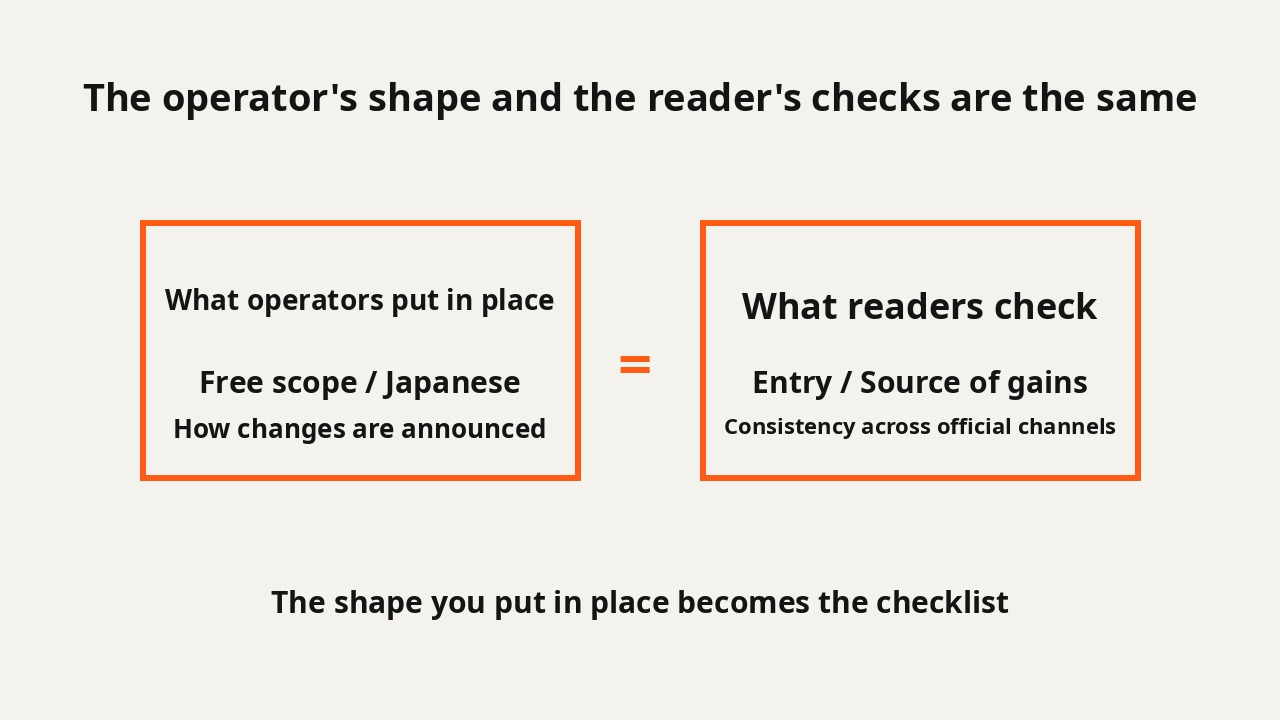
| What the operator assembles | The shape |
|---|---|
| A range that can be touched for free | Provide a range in which players can check whether it is fun, without putting money in |
| Japanese pages | Make at least the getting-started guide and the withdrawal terms readable in Japanese |
| Payments and identity verification | Show the withdrawal terms and how records should be kept, in Japanese, in advance |
| How changes are announced | When terms change, announce them together with the reason, and fix the old guidance |
| A Japanese contact point | Place a contact point where inquiries receive replies in Japanese |
| The Japanese community | Have points of contact with guilds and Japanese communicators from before the launch |
Looking only at overseas projects, this arrangement has a priority order that the cases make visible.
What worked first was whether Japan was inside the "eligible" set. MapleStory N had its shape in place and still stalled on that single point of eligibility; Ni no Kuni ended with its decision not to include Japan unchanged.
What worked next was Japanese language and a Japanese host. The Korean MMORPGs put their entire grammar into Japanese, and prepared even a Japan-only server.
On the storefront side, too, when there was a domestic storefront like Coincheck, the judgment moved forward. And when a title connected with a "unit that starts together" like a guild, even a paid entry was shouldered. Axie Infinity's scholarships were that shape.
For Sorare, a domestic league's license took the place of this arrangement.
By contrast, buzz and NFT trading alone never became a population. Matr1x FIRE's way of selling is evidence that demand existed in Japan. But the center of its playing population never moved to Japan.
For readers, here are the points to tell by.
- Is the range that can be touched for free spelled out clearly?
- Can you tell where the gain comes from?
- Can the withdrawal terms be read in Japanese?
- Do the official site and the official X account tell the same story?
- Are Japanese participants inside the eligible set?
- Is there someone to start together with?
These two are the front and back of the same thing. The shape an operator assembles becomes, as-is, the reader's points for telling.
In my view, whether an overseas project gets through in Japan is decided not by the size of the buzz, but by whether it passed this order.
Summary
The Web3 games that spread in Japan do not carry the size of their overseas numbers. They carry a shape at which Japanese players do not stop.
What Japanese players look at, at the door, is when they get back the money they put in.
Free to touch, nothing put in, and the gain's source and return timing visible. Checkable in Japanese, with the operator's face visible. And on top of that, people to start together with.
Both the domestic titles that lasted and the titles that entered from overseas passed in the same shape. The reverse shapes are left behind before their content is ever seen: shapes that press a sum of money at the entry, whose guidance is English only, whose terms change midway.
Even in shapes that put out money, whether the payback could be projected divided the judgment at the door. There were also cases of titles built big stalling at the population wall. Whether a title lasts divides on whether its gain leans on price alone.
Outside research calls Japan "hard to enter," but in my view it is a market you can enter if you keep the order. Starting with the projects that align their shape to that order, Japanese players begin to move.
A Note of Caution
The conditions in this article are my view, drawn from my experience of watching Japanese players and offers. The outside opinions introduced in this article are each speaker's own view; please read them separately from the facts.
Even when the conditions are in place, the game itself may not continue, or the reward terms may change. Before participating, check the current terms on the official site and official X account. Check in the terms whether Japanese residents are included in the eligible set.
When you send funds for the first time, test with the smallest amount before sending the real amount. Anyone who tries to draw out your recovery phrase — the sequence of words that serves as your wallet's key — is a fraud, without exception.
This article is not investment advice. Please make your own judgment.
Read the original Japanese version: https://titta0907.com/what-works-in-japan-web3-games/
